The Future of Retail Will Be Built Through Collaboration
Modern retail isn’t powered by a single technology—it’s powered by an ecosystem of innovators working together.
Consumers expect frictionless checkout, real-time inventory visibility, self-service experiences, accurate fulfillment, and personalized interactions. Behind every one of those experiences is a network of technologies working in harmony: kiosks, thermal printers, RFID, software platforms, labeling systems, automation, and intelligent packaging.
No single vendor can deliver everything today’s retailers demand.
But together, we can.
At Microcom Corporation, we’ve always believed that the strongest solutions aren’t built in isolation—they’re built through strategic partnerships. As retail continues to evolve, collaboration between manufacturers, integrators, software developers, and technology providers is becoming the driving force behind innovation.
An Ecosystem, Not a Single Product
Today’s retailers aren’t looking for individual components. They’re looking for complete, scalable solutions that simplify operations, improve accuracy, and create exceptional customer experiences.
That means bringing together technologies that work seamlessly across the entire retail journey—from manufacturing and distribution to the sales floor and beyond.
Imagine combining the expertise of:
- Kiosk manufacturers creating intuitive self-service experiences
- Label converters developing durable, application-specific media
- RFID specialists enabling real-time inventory tracking and product visibility
- Software developers connecting enterprise systems with actionable data
- Packaging innovators creating smarter, more sustainable solutions
- System integrators bringing every component together into one cohesive platform
- Thermal printing experts delivering dependable, high-performance print solutions
Each partner contributes specialized expertise. Together, those capabilities become something far more valuable: a complete solution that helps customers solve complex business challenges.
The Retail Landscape Is Changing
Automation is accelerating. RFID adoption continues to grow. Self-service continues to reshape customer expectations. Supply chains demand greater visibility, while businesses are under constant pressure to improve efficiency without sacrificing accuracy.
These trends are creating new opportunities for companies willing to innovate together.
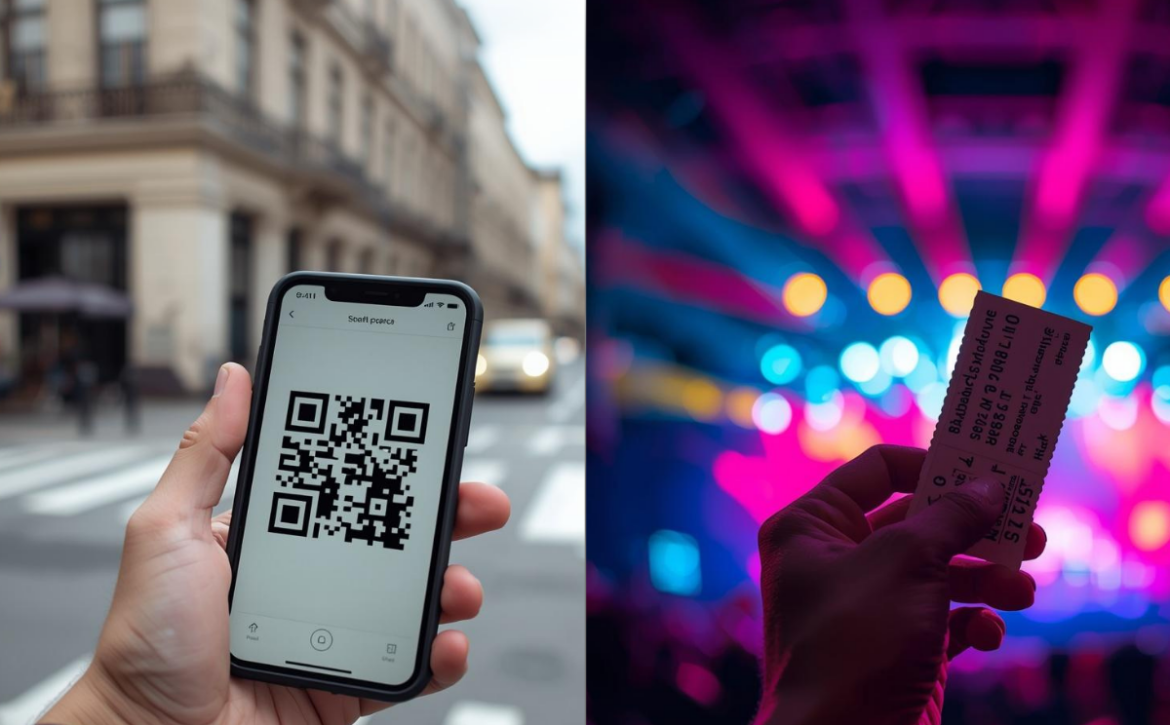
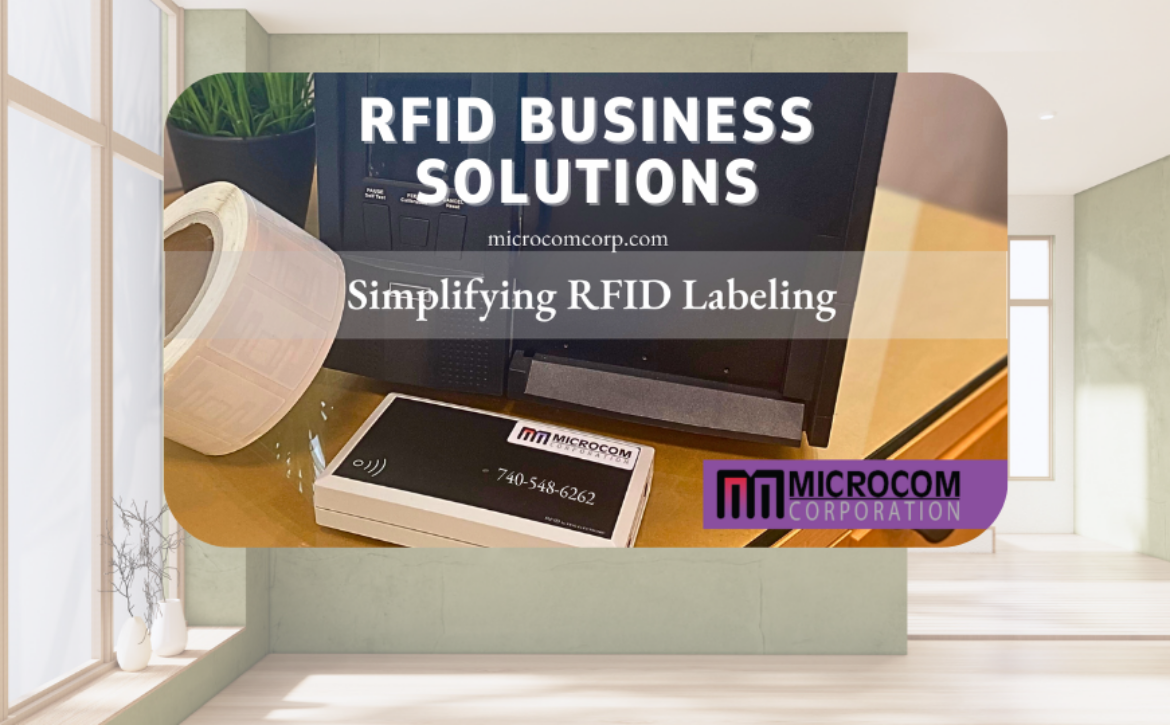
Whether it’s printing RFID shipping labels, producing kiosk tickets, generating compliance labels, creating packaging with embedded intelligence, or supporting automated fulfillment systems, integrated solutions are becoming the standard—not the exception.
The companies that embrace collaboration today will be the ones leading tomorrow.
Beyond Retail: Opportunities Across Every Industry
While retail often leads the conversation, the need for integrated solutions extends well beyond the storefront.
Industries benefiting from collaborative technology partnerships include:
- Distribution and logistics
- Manufacturing
- Healthcare
- Food production
- Cannabis compliance
- Entertainment and ticketing
- Warehousing
- Transportation
- Smart packaging
- Industrial automation
Across each of these markets, organizations are looking for partners who can help simplify complex workflows while improving productivity and traceability.
Why Partnership Matters
Every successful deployment begins with a shared goal.
When OEMs, label converters, software developers, RFID providers, and hardware manufacturers collaborate early in the design process, they create solutions that are easier to integrate, faster to deploy, and more valuable to the end user.
That collaborative approach reduces implementation challenges, improves long-term reliability, and opens new opportunities for innovation.
It’s no longer about individual products.
It’s about creating complete ecosystems that help businesses operate smarter.
Microcom’s Role in the Ecosystem
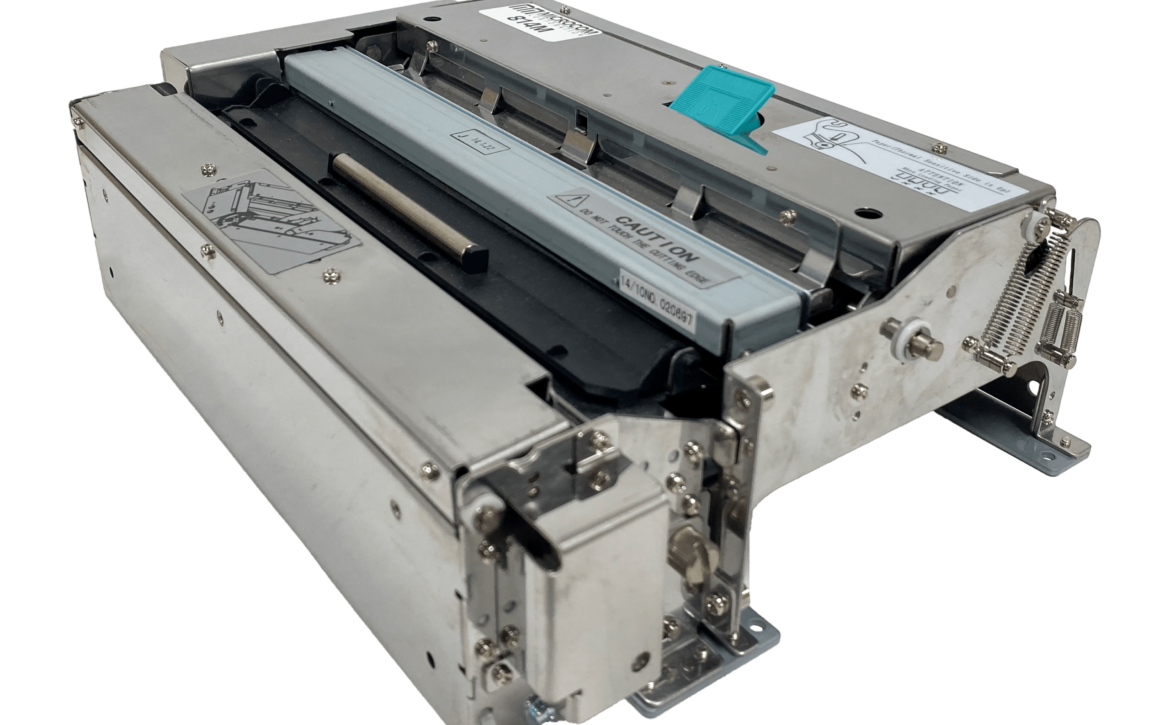
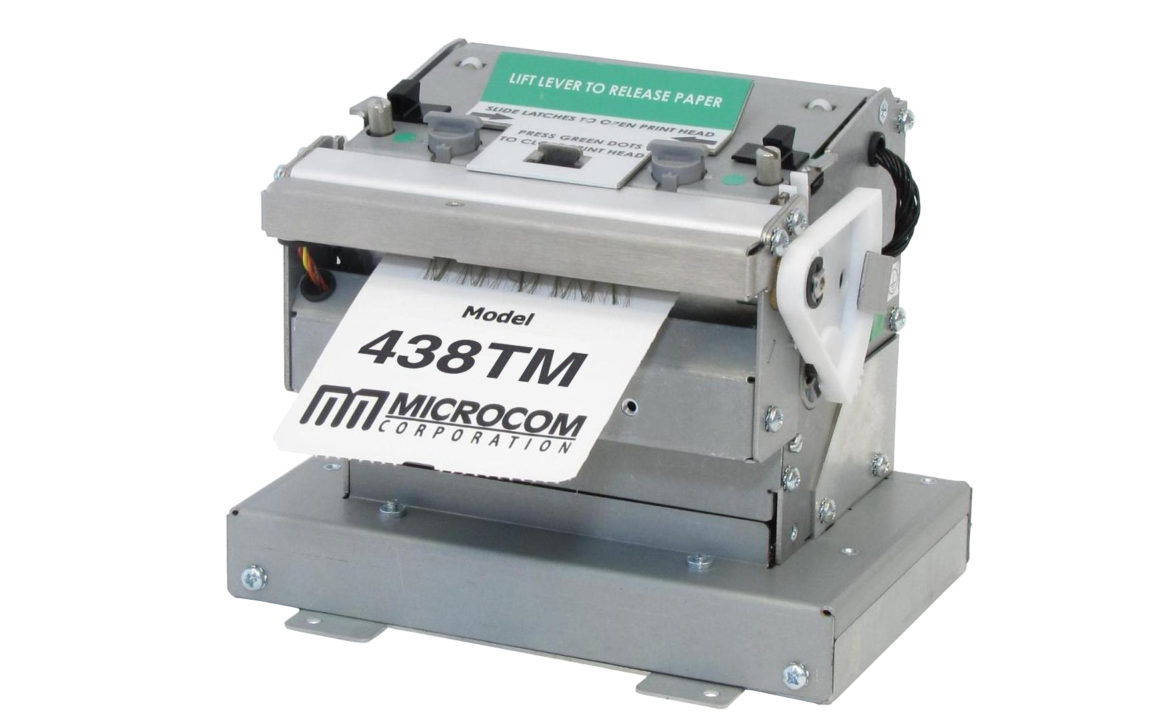
For decades, Microcom Corporation has partnered with companies across the labeling, packaging, RFID, kiosk, and automation industries to deliver dependable thermal printing solutions for demanding applications.
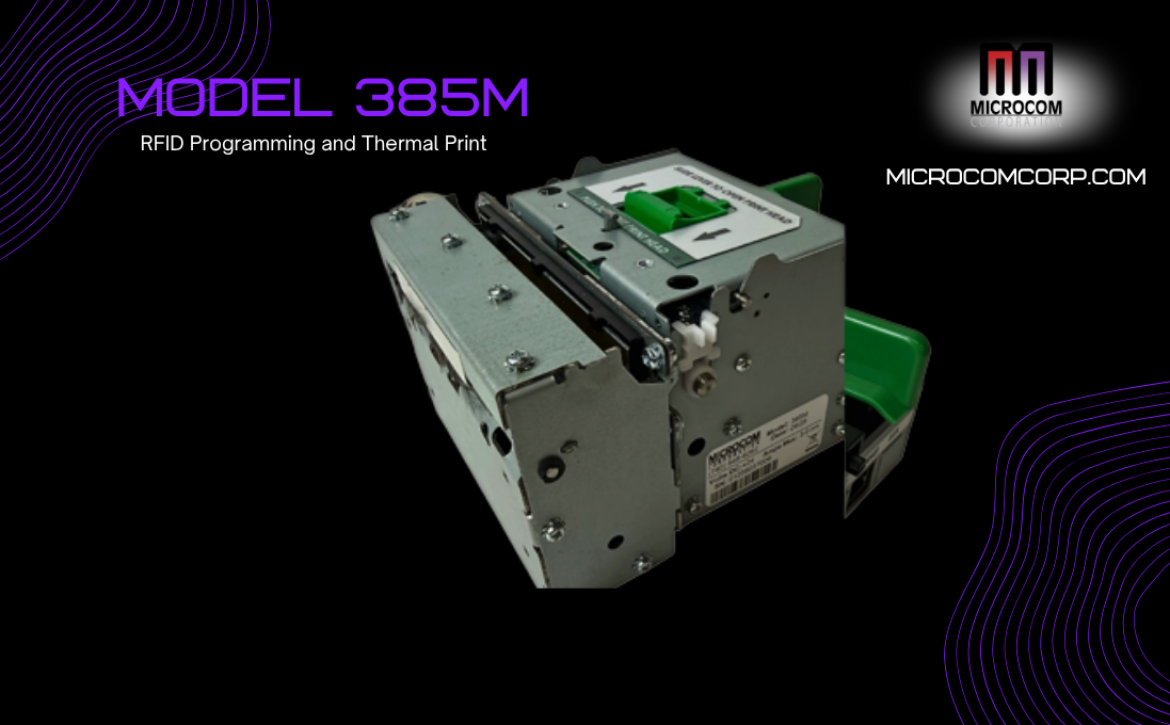
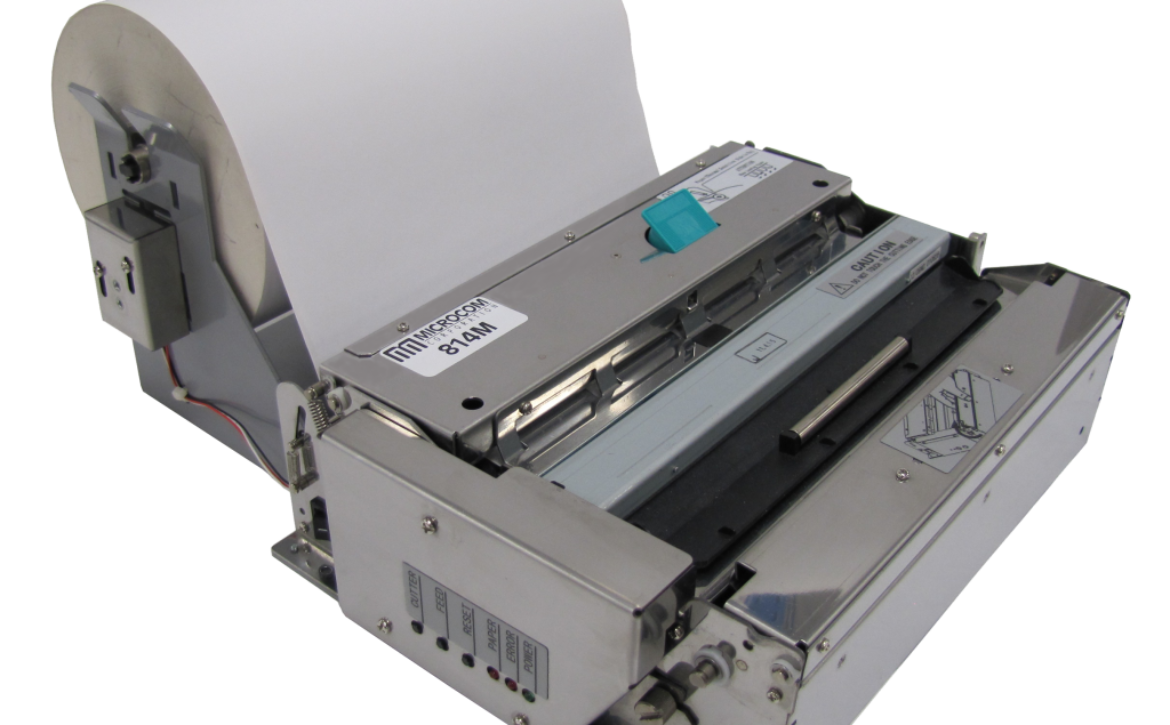
Our printers are designed to integrate into larger systems—whether supporting OEM equipment, self-service kiosks, industrial labeling, RFID workflows, ticketing, or specialized applications where performance and reliability matter.
More importantly, we view ourselves as a technology partner.
We enjoy working alongside software developers, label converters, system integrators, kiosk manufacturers, RFID innovators, and packaging specialists to help transform great ideas into complete, market-ready solutions.
Because when innovative companies combine their strengths, everyone benefits—including the customer.
Let’s Build the Future Together
The future of retail—and countless other industries—won’t be shaped by one company alone.
It will be built by organizations willing to collaborate, integrate, and innovate together.
If your company develops kiosks, converts labels, designs packaging, creates RFID solutions, develops software, or integrates technologies that improve the way businesses operate, we’d love to start a conversation.
At Microcom Corporation, we’re always looking to build meaningful partnerships that create smarter solutions, stronger businesses, and better customer experiences.
The next breakthrough won’t come from one piece of technology. It will come from the partners bold enough to build it together.