25 Mar
In today’s fast-moving, efficiency-driven environments, it’s easy to fall into a “replace rather than repair” mindset—especially when it comes to hardware. Printers, in particular, have quietly become one of those assets many organizations expect to cycle through every year or two. When something fails, it’s often quicker to swap it out than to ask deeper questions.
But what if that mindset is costing more than it saves?
At Microcom Corporation, we’ve seen a different story unfold—one where durability, serviceability, and relationships redefine what a printer investment should look like.
A Familiar Scenario
A growing operations team reaches a tipping point. Their existing print infrastructure—reliable at first—has started to show strain under increased demand. Units begin to fail. Support becomes harder to reach. Replacement costs start stacking up faster than anticipated.
They’re told it’s normal. Expected, even.
So they prepare to replace everything…again.
That’s when we get the call.
A Different Approach
Instead of starting with a catalog, we start with a conversation.
- What environment are the printers operating in?
- What volume are they truly handling—today and six months from now?
- Where are the failure points occurring?
- What does uptime actually mean to their business?
From there, we don’t just propose a product—we engineer a solution.
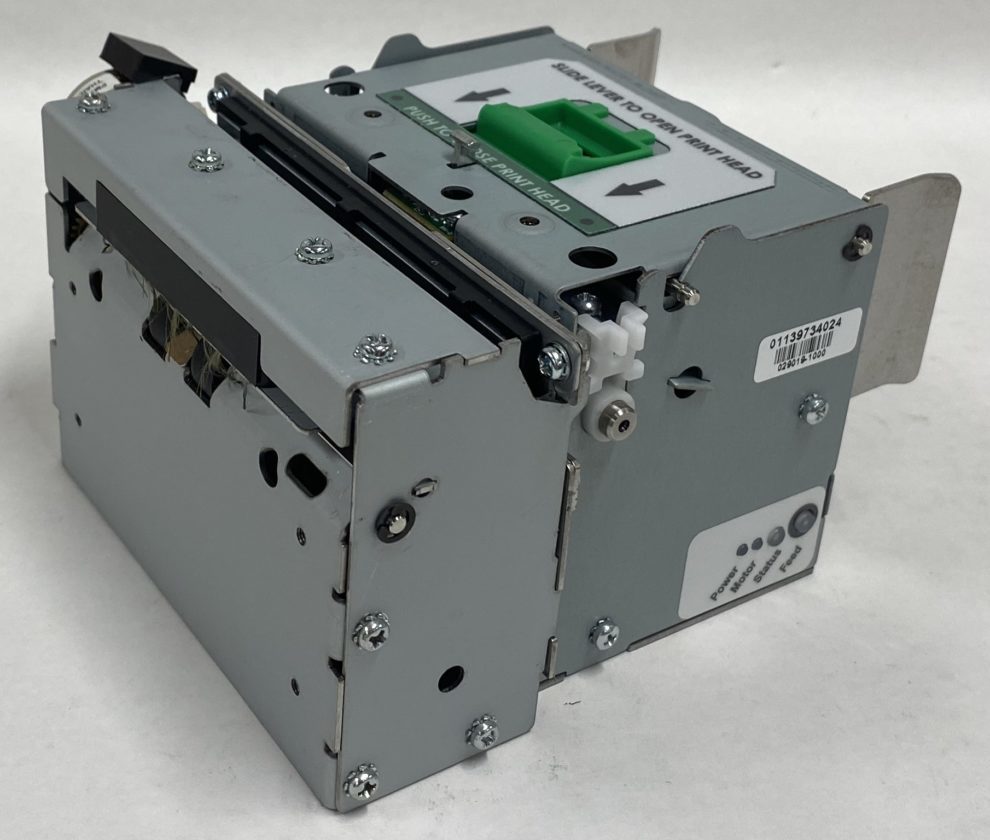
Our printers are built with longevity in mind. Not just to perform, but to keep performing under demanding conditions. And when they need support, they’re not met with delays or uncertainty—they’re supported by a responsive team that not only moves quickly through service requests, but also has the capability to physically diagnose, repair, and return equipment to peak performance. They’re met with people who know their operation. Not all support models are built to truly resolve issues at their source—ours is.
Built to Last. Designed to Adapt.
Durability isn’t just about hardware—it’s about architecture.
Our systems are designed to:
- Handle high-volume environments without degradation in output quality
- Integrate seamlessly into existing workflows
- Be serviced, maintained, and extended—not discarded
This translates into a lower total cost of ownership over time, even when initial price points are comparable. Because the real cost isn’t the printer—it’s the downtime, the disruption, and the constant replacement cycle.
When Others Say “No”
We often meet customers at a crossroads—when their needs have outgrown what their current provider is willing or able to support.
Large-scale deployments. Niche requirements. Custom configurations. Tight timelines.
These are not edge cases for us—they’re opportunities.
We welcome the conversations others walk away from. And we have the infrastructure, engineering expertise, and production capacity to support projects at scale without sacrificing responsiveness.
Service That Doesn’t End at Installation
One of the most overlooked differentiators in this industry is what happens after the printer is installed.
For us, that’s where the real work begins.
We check in. We troubleshoot proactively. We adapt as your needs evolve. Because a printer isn’t just a piece of equipment—it’s a critical touchpoint in your operation.
And when it stops working, so do a lot of other things.
The Long View
There will always be a market for fast, disposable solutions. And for some applications, that may be enough.
But for organizations that rely on consistency, scalability, and real support, there’s a better way.
A printer shouldn’t feel like a short-term fix. It should feel like a long-term partner.
At Microcom Corporation, that’s exactly what we aim to deliver—every time.
If your current print strategy feels more reactive than reliable, it might be time for a different conversation.