ReadEPC™ System


ReadEPC™: Why RFID Verification Matters & How It Protects Your Supply Chain

In today’s fast-moving retail and logistics environment, accurate product identification isn’t just a nice-to-have — it’s a compliance requirement and operational necessity. With mandates like Walmart’s RFID requirement for EPC tags, manufacturers and suppliers must ensure every Radio-Frequency Identification (RFID) tag they ship is properly encoded and verified. That’s where ReadEPC™ comes in — providing reliable, GS1-compliant RFID tag verification that protects inventory accuracy, reduces errors, and safeguards your supply chain.


What Is RFID Verification?

At its core, RFID verification is the process of reading and confirming that an RFID tag’s encoded information is correct, valid, and usable for downstream systems. Unlike simple barcode scanning, RFID works by wirelessly communicating with a tiny chip embedded in a product label. That chip carries an Electronic Product Code (EPC) — a globally unique identifier that links the physical item to your digital system.

Verification confirms that:

  • The tag contains the correct EPC value

  • It was properly encoded according to standards (e.g., SGTIN-96)

  • The encoding matches your UPC/barcode or internal product record

Without this step, bad tags — duplicates, miswrites, or unreadable units — can propagate downstream, causing inventory mismatches, chargebacks, and compliance violations.


Why Verification Is Essential

Companies adopt RFID for accuracy, speed, and automation — but those benefits only materialize when the tags themselves are trustworthy.

Key benefits of RFID verification include:

  • Error Reduction & Compliance: Automates validation of tag data, avoiding mis-encodings and supporting mandates like Walmart’s EPC requirement

  • Inventory Confidence: Verified EPC data ensures every scan reflects the correct product

  • Supply Chain Transparency: Reliable encoding enables seamless traceability from manufacturing through distribution

  • Operational Efficiency: Automated verification reduces manual audits and costly mis-shipments

These advantages are central to modern item verification systems that integrate RFID data with ERP and WMS platforms, ensuring products are not only tracked — but verifiably tracked throughout their lifecycle.


Introducing ReadEPC™

Microcom’s ReadEPC™ system is designed specifically for practical, real-world RFID verification:

How It Works

Read RFID Tags Wirelessly
Connect a desktop UHF RFID reader to your PC.

Verify Tag Data in Real Time
The ReadEPC™ application reads the tag’s EPC and cross-references it with expected encoding, displaying results instantly — including product details and a visual preview.

Match to UPC Barcode
ReadEPC™ ties RFID data back to your product UPC, allowing immediate confirmation that encoded data matches the physical item.

This built-in verification is especially valuable for businesses preparing products for retail distribution, where every tag must be not only encoded, but proven valid.


Real-World Value in Your Workflow

Imagine packing thousands of units for shipment, each requiring an RFID tag that:

  • Matches internal SKU data

  • Is encoded to GS1 standards

  • Will be recognized by compliant retail and warehouse systems

Without verification, even a small percentage of bad tags can lead to:

  • Inventory discrepancies

  • Delayed shipments

  • Costly recall cycles

  • Operational bottlenecks

ReadEPC™ ensures that nothing leaves your facility without being verified first. It acts as the safeguard between RFID encoding and real-world performance.


Verification vs. Simple Tag Reads

It’s important to distinguish two RFID actions:

Function What It Does
Tag Read Detects and retrieves a tag’s EPC wirelessly
Tag Verification Confirms the EPC matches intended encoding and product data

ReadEPC™ combines both — meaning it does more than simply detect a tag; it validates accuracy and conformance.


Why This Matters for Retail Mandates

Mandates like Walmart’s require more than just applying RFID tags — they demand properly encoded EPC data that meets GS1 standards.

Without verification:

  • Duplicate or mis-encoded tags may go unnoticed

  • Poor quality tags can slip through

  • Downstream systems may reject inventory

ReadEPC™ provides confidence and proof that labels meet requirements before products ever leave your doors.


Final Thoughts

In today’s competitive supply chain landscape, RFID isn’t just about having tags — it’s about trusting the data those tags contain. With ReadEPC™, you gain an easy-to-deploy RFID verification system that:

  • Ensures compliance

  • Protects product data

  • Improves operational accuracy

  • Enhances supply chain visibility

If you’re serious about RFID compliance and want verification that integrates seamlessly with your print and encode processes, ReadEPC™ bridges the gap between RFID deployment and verified performance.


Read More

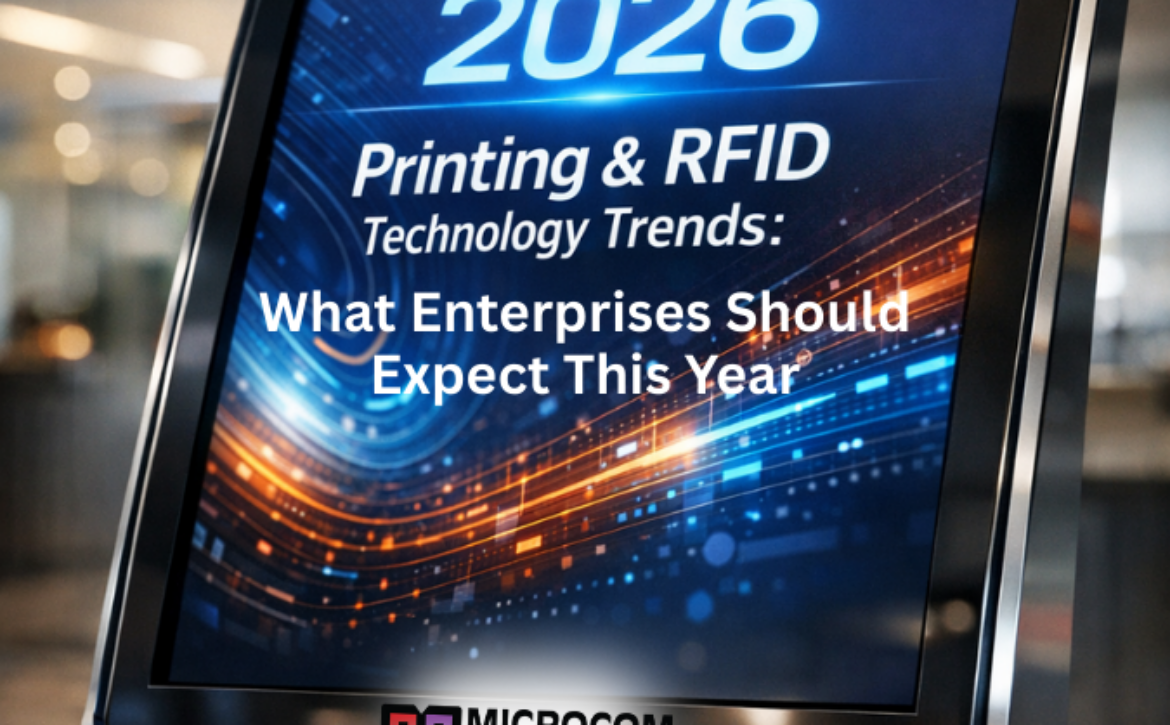
2026 Printing & RFID Technology Trends: What Enterprises Should Expect This Year

As enterprises enter 2026, printing and RFID technologies continue to play a critical—yet evolving—role in operational efficiency, compliance, and customer experience. What was once considered “back-office infrastructure” is now tightly integrated into automation strategies, data intelligence, and self-service environments.

From the acceleration of RFID adoption across retail and logistics to the growing demand for rugged, reliable thermal printers in kiosks and industrial workflows, the year ahead presents both opportunities and challenges. Here’s what organizations should be watching—and planning for—in 2026.

  1. Smarter Thermal Printing at Scale

Thermal printing remains the backbone of labeling, ticketing, and transaction-based environments, but expectations have shifted. In 2026, enterprises are prioritizing:

  • On-demand, high-volume performance without sacrificing print quality or uptime
  • Flexible media handling, including roll-fed and cut-sheet applications
  • Deeper system integration, allowing printers to function as intelligent endpoints within larger workflows

Printers are no longer standalone devices. They are expected to communicate seamlessly with software platforms, scanners, kiosks, and RFID systems—often in unattended or high-traffic environments where reliability is non-negotiable.

  1. RFID Moves Beyond Compliance

While mandates such as retailer RFID requirements have driven adoption in recent years, 2026 marks a shift from compliance-driven to value-driven RFID implementations.

Organizations are expanding RFID use cases to include:

  • Real-time inventory visibility
  • Asset and equipment tracking
  • Improved accuracy in fulfillment and logistics
  • Enhanced customer engagement through data-enabled labeling

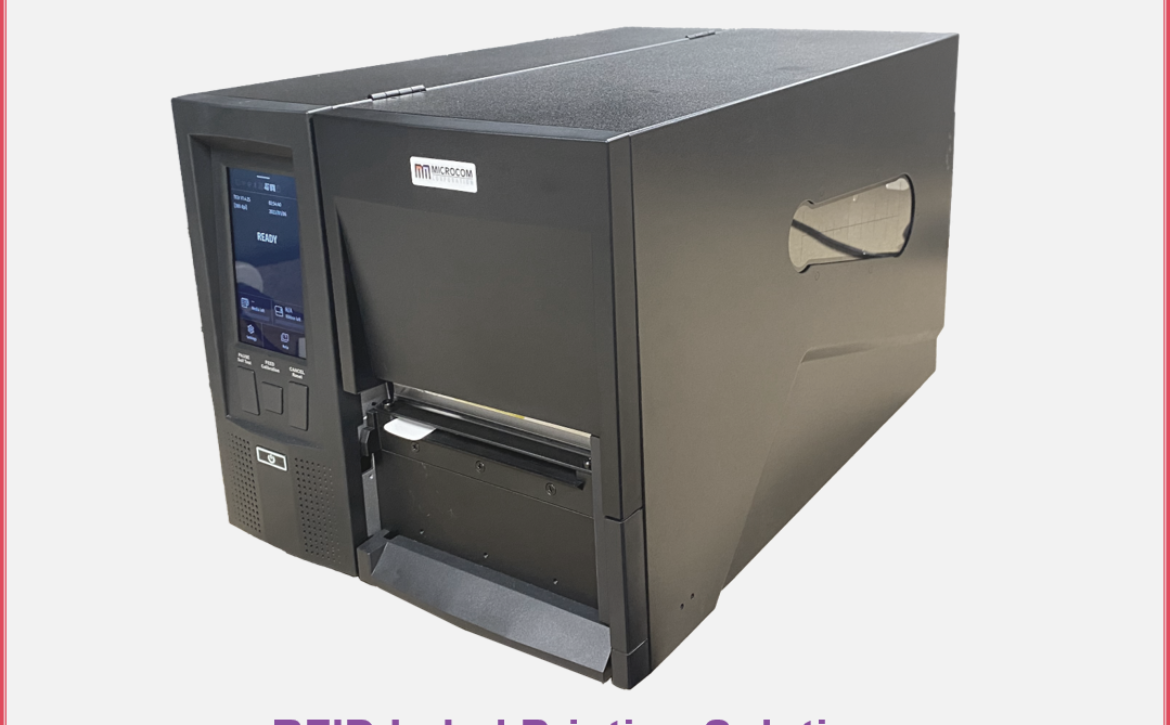
The most successful deployments pair RFID-ready printing hardware with flexible encoding and data solutions—ensuring EPC labels are accurate, readable, and scalable as needs grow.

  1. Sustainability and Material Efficiency Gain Momentum

Sustainability continues to influence purchasing decisions across industries. In 2026, enterprises are evaluating printing solutions not only on performance, but also on:

  • Media efficiency and waste reduction
  • Longer device lifecycles in industrial environments
  • Smarter label design that balances compliance, branding, and material use

Thermal printing—when paired with the right hardware and consumables—remains a strong option for organizations seeking durability without unnecessary environmental impact.

  1. Kiosks and Self-Service Demand Industrial Reliability

Self-service technology is expanding rapidly across retail, entertainment, logistics, healthcare, and government settings. In these environments, the printer is often the final touchpoint of the customer experience—producing tickets, receipts, credentials, or keepsakes.

In 2026, kiosk deployments are prioritizing printers that offer:

  • Consistent performance in unattended environments
  • Compact form factors with industrial-grade components
  • Fast, quiet output that enhances—not disrupts—the user experience

Reliability matters more than ever when a printer is embedded inside a kiosk or photobooth and expected to perform thousands of cycles without intervention.

  1. What This Means for Your 2026 Technology Strategy

As you plan for the year ahead, consider the following questions:

  • Are your current printing solutions scalable for increased volume or new applications?
  • Is your infrastructure RFID-ready—not just for today’s requirements, but future expansion?
  • Can your printers integrate easily with your existing software, kiosks, or automation platforms?

Choosing the right printing and RFID solutions in 2026 isn’t just about hardware—it’s about aligning technology with long-term operational goals.

Looking Ahead

At Microcom Corporation, we continue to engineer printing and RFID solutions designed for real-world enterprise environments—where performance, reliability, and flexibility matter most. As industries evolve, so do the demands placed on the technology behind them.

If you’re planning upgrades or new deployments in 2026, now is the time to evaluate how your printing infrastructure supports the bigger picture.


#RFID #ThermalPrinting #EnterpriseTechnology #Automation #SupplyChainTechnology #IndustrialPrinting #SelfServiceTechnology #DigitalTransformation #OperationalEfficiency
#TechnologyTrends #EnterpriseSolutions #SmartManufacturing #Innovation #KioskTechnology
#CustomerExperience #SelfService #EmbeddedSystems #IndustrialDesign #MicrocomCorporation
#PrintSolutions

Read More

RFID In More Applications At IAAPA EXPO 2024

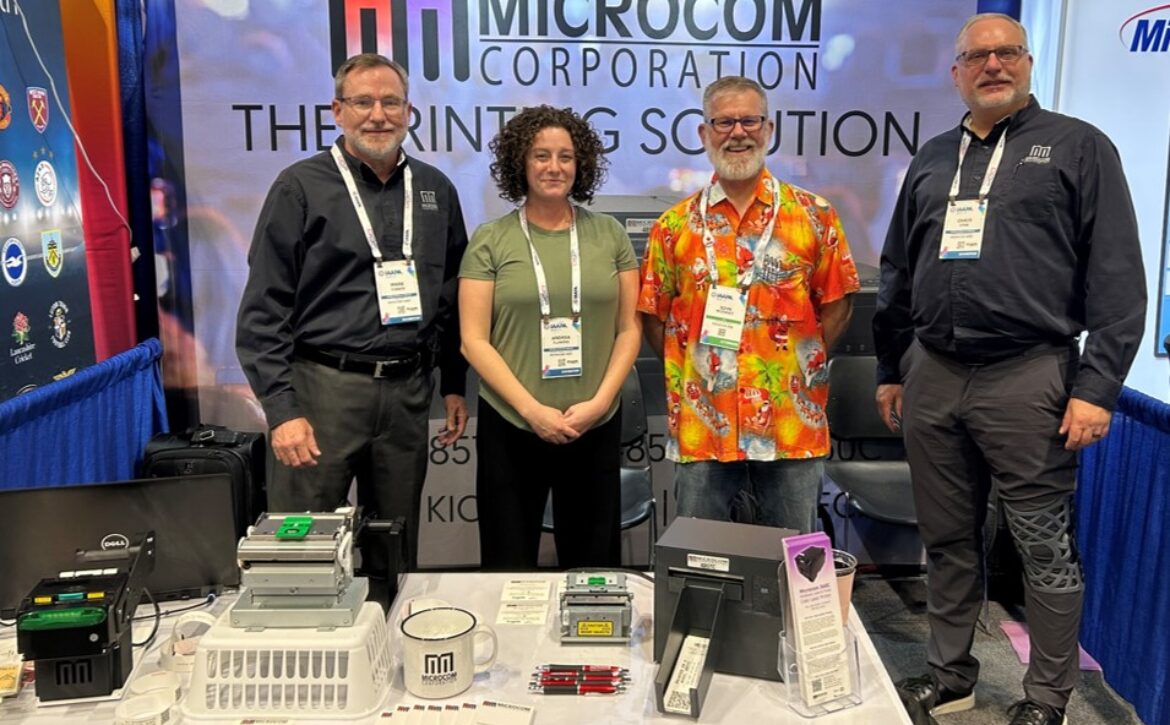
At IAAPA EXPO 2024, Microcom displayed our thermal kiosk printer for RFID wristbands to print on-demand from self-service kiosks.

Read More

Walmart RFID Mandate Partner Adds Microcom

The ability to print RFID labels as needed is a significant benefit to suppliers trying to meet the RFID mandates from Walmart and others.

Read More

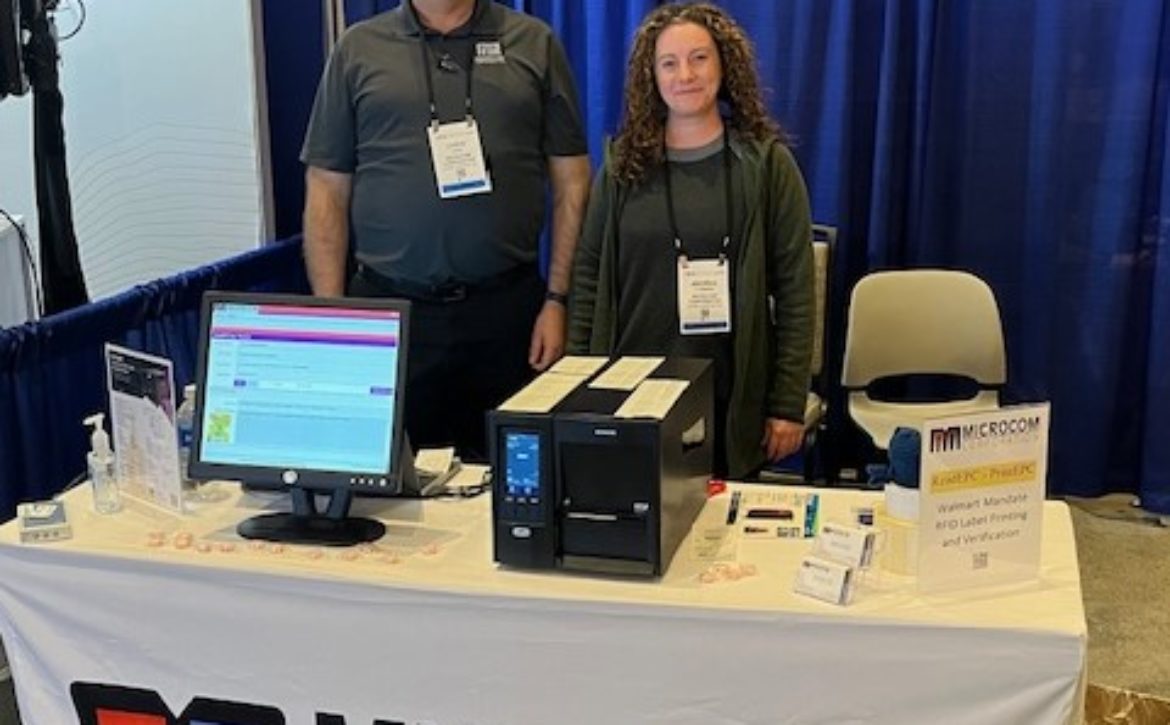
ReadEPC™ and PrintEPC™ Introduced at RFID Journal LIVE! 2024

Our PrintEPC™ software handles the RFID encoding, provides proof-pages for verification, and maintains a history file of printed labels.

Read More

INTIX 2024 – RFID@INTIX Credential Scanning App

Since 2019, Microcom has sponsored the INTIX Conference name badges containing RFID chips and the RFID@INTIX Exhibitor Lead-Retrieval App.

Read More

Technology On Display At IAAPA EXPO 2023

At IAAPA EXPO 2023, Microcom featured our thermal kiosk printer for RFID wristbands to print on-demand from self-service kiosks.

Read More

Wristbands Highlighted at the World Waterpark Association WWA 2023

Wristbands on Display at the World Waterpark Association WWA 2023 were a major attraction for parks looking for print on demand solutions.

Read More

Wristband Printing – 3 Takeaways from IAAPA 2022

As more organizations strive to streamline processes, the need to print wristbands from self-service kiosks will continue to increase.

Read More

Microcom Wins IAAPA 2021 Brass Ring Award

Microcom won the IAAPA 2021 Brass Ring Award for the Best New Product Concept – Other Product/Service (Second Place) for our RFID Printer.

Read More